Choosing a China Top Slow Edge Crusher Supplier requires more than comparing prices or browsing polished product photos. A reliable supplier should understand your material, production speed, edge waste, and safety requirements. The right Slow Edge Crusher can reduce trimming waste and support steadier factory operations. However, performance depends on correct sizing, installation, and daily maintenance. A machine that looks powerful may still produce uneven output when its feeding system is poorly matched.
Experienced buyers usually request clear technical drawings, motor details, blade specifications, noise information, and documented testing results. Ask how the supplier handles different plastics, rubber edges, or production scraps. Request a sample test using material similar to yours. Watch the feeding process, particle consistency, and temperature during continuous operation. Small details matter. A loose cover or difficult cleaning access can create repeated delays.
Supplier evaluation should also include factory experience, quality controls, spare-part availability, and after-sales support. Confirm whether technicians can provide installation guidance and practical troubleshooting. Check export documentation and applicable product safety requirements for your market. Certifications can support credibility, but they should not replace direct evidence. Speak with previous customers when possible.
No supplier is perfect. I have seen buyers focus heavily on the machine body while overlooking service response times. That mistake can become expensive. A trustworthy China Top Slow Edge Crusher Supplier communicates limitations clearly and recommends a model based on actual working conditions. The strongest choice balances technical performance, long-term reliability, transparent communication, and realistic operating costs. Your evaluation should remain careful, specific, and open to revision.
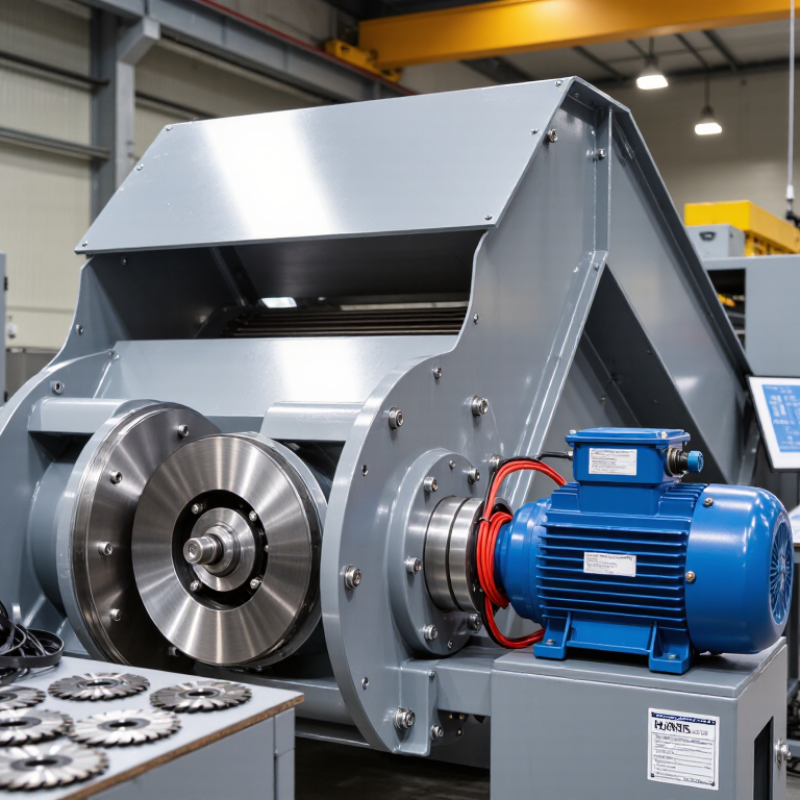
A slow edge crusher reduces plastic edge trim, sprues, and production offcuts into reusable pieces. It runs at low rotor speed with high torque. This design limits sudden impact, heat buildup, and flying fragments during processing. It is useful near extrusion, injection molding, and sheet production lines.
The material enters through a guarded hopper. A rotating rotor carries knives past fixed knives inside the cutting chamber. Each pass cuts the edge waste into smaller pieces. A screen controls the final particle size. Oversized pieces remain inside until they reach the required size. The crushed material then falls into a container or returns to the production process.
Choosing a suitable supplier requires more than comparing motor power. Ask for a trial using your actual edge trim, including its thickness, moisture, and additives. Check cutting capacity, noise data, energy use, and access for cleaning. A reliable manufacturer should explain knife steel, screen replacement, overload protection, and spare-parts availability. Service response also matters when the crusher stops a busy line. In my experience, many buyers focus on output figures and overlook feeding consistency. That can create blockages. Small details matter. Request inspection records, operating videos, and references from similar applications. No machine fits every workshop perfectly, and supplier claims still need practical verification.
A slow edge crusher uses a low-speed, high-torque rotor to cut film edges, plastic trim, and other production scrap into reusable pieces. The chart shows calculated rotor tip speed at different rotor diameters and rotational speeds. Tip speed is calculated as π × rotor diameter × RPM ÷ 60. When comparing suppliers, check the actual rotor diameter, motor torque, knife design, overload protection, output size, safety systems, and service support rather than comparing RPM alone.
A top slow edge crusher supplier should prove performance through measurable technical details, not attractive catalog language. Look for a low-speed rotor that delivers steady torque and reduces sudden material impact. This helps process plastic edges, sprues, and small production leftovers with less dust and noise.
Check the cutting chamber carefully. Hardened blades, adjustable knife gaps, and a removable screen support consistent particle size. A reliable supplier should provide motor power data, rotor speed, throughput tests, and overload protection records. Ask whether the machine stops safely when material jams. This detail matters during long factory shifts.
The supplier should also explain bearing protection, electrical safety, and access for cleaning. Vague answers are a warning sign.
Tips: Request a sample test using your actual edge material. Measure output size, noise, energy use, and cleaning time. Ask for test videos, inspection reports, drawings, and a clear spare-parts list. A strong supplier can discuss these details without exaggeration. Still, no machine fits every workshop perfectly. Some published capacities may fall under ideal conditions. Your material temperature, moisture, and feeding habits can change results. I would treat promised capacity as a starting point, not a guarantee. Select a supplier that supports commissioning, operator training, and responsive technical service after delivery.
Choosing a China slow edge crusher manufacturer requires more than comparing catalog prices. Start by checking real production experience with your material, thickness, and daily output. Ask for videos of factory testing, not only polished showroom images. A reliable team should explain rotor design, screen size, motor load, noise control, and maintenance access in clear language. Specific answers matter.
Request test results from a sample close to your own production waste. Watch the feeding process, particle size, temperature rise, and residual dust. Ask how operators clear jams and replace blades safely. Inspect welding quality, electrical cabinets, guarding, and emergency stops during a live or recorded inspection. Certifications can support credibility, but they do not replace practical evidence. I would also contact two recent users and ask about delivery accuracy, spare parts, and response time after installation.
Review the quotation line by line. It should identify materials, throughput conditions, warranty limits, commissioning, packaging, and expected power consumption. Be cautious when a manufacturer promises unusually high capacity without stating input conditions. That is a warning sign. A factory may look technically strong yet communicate poorly after receiving payment. This risk is easy to underestimate. Keep written records of changes, test acceptance, and corrective actions. If the first sample fails, judge the manufacturer by its response, not by excuses. A thoughtful supplier admits limits and adjusts the design when evidence requires it.
| Evaluation Dimension | Recommended Weight | Practical Benchmark or Data Point | How to Verify | Scoring Guide |
|---|---|---|---|---|
| Material Compatibility | 12% | The machine should state the suitable material types, including plastic lumps, purge blocks, sprues, pipes, profiles, films, or other production scrap. Confirm the maximum material dimensions and hardness range before purchasing. | Request a written material compatibility sheet, sample-crushing results, and a video or report from a test using comparable feedstock. | 1–5 points |
| Throughput and Capacity | 12% | Compare the rated output in kg/h with the actual material, screen size, rotor speed, and feeding method. Actual throughput can vary substantially with material shape, moisture, bulk density, and contamination. | Require a capacity test using the buyer’s material and record feed rate, screen size, motor load, and finished-particle percentage. | 1–5 points |
| Particle Size Control | 10% | The final particle size should be determined by the screen aperture and cutting geometry. Common screen openings for plastic recycling applications may range from approximately 6 to 25 mm, depending on the process. | Check screen specifications, knife clearance adjustment, sample output, and the percentage of particles within the required size range. | 1–5 points |
| Motor and Energy Efficiency | 10% | Evaluate motor power together with demonstrated throughput rather than comparing motor kW alone. A lower specific energy consumption, measured as kWh per tonne, generally indicates better operating efficiency. | Request motor nameplate data, operating current, throughput test records, and the applicable electrical standard for the destination country. | 1–5 points |
| Rotor and Knife Construction | 10% | Important details include rotor configuration, knife material, knife hardness or treatment, bearing arrangement, and the ability to adjust or replace knives. Wear parts should be available separately. | Review technical drawings, material certificates where available, knife adjustment instructions, and replacement-part pricing. | 1–5 points |
| Safety and Electrical Protection | 10% | The machine should include a guarded feed opening, emergency-stop function, overload protection, safe access to the cutting chamber, and electrical components suitable for the buyer’s voltage and frequency. | Inspect the risk assessment, wiring diagram, emergency-stop circuit, safety interlocks, and factory acceptance-test checklist. | 1–5 points |
| Manufacturing Quality Control | 10% | A reliable manufacturer should have documented incoming-material checks, machining controls, welding inspection, assembly inspection, electrical testing, and final load testing. | Ask for quality-control procedures, inspection records, dimensional tolerances, weld-quality evidence, and a completed pre-shipment inspection report. | 1–5 points |
| Customization Capability | 8% | Relevant customization may include feed hopper dimensions, screen aperture, rotor configuration, discharge arrangement, voltage, sound enclosure, conveyor integration, and dust-control connections. | Request a detailed quotation showing standard and optional items, engineering drawings, interface dimensions, and the additional lead time for modifications. | 1–5 points |
| Service and Spare Parts | 8% | Critical consumables commonly include knives, screens, bearings, belts, fasteners, and electrical components. Parts availability and clear maintenance instructions reduce downtime. | Check the spare-parts list, recommended inventory, response time, remote-support process, warranty terms, and service coverage in the destination market. | 1–5 points |
| Delivery and Project Management | 5% | The supplier should provide a clear production schedule, packaging method, shipping dimensions, gross weight, installation requirements, and agreed inspection milestones. | Compare the sales contract, production schedule, packing list, inspection plan, and delivery terms such as FOB, CIF, or DAP. | 1–5 points |
| Documentation and Compliance | 5% | A complete technical file should normally include an operating manual, maintenance schedule, electrical drawings, parts list, lubrication requirements, and applicable conformity documents. | Review sample manuals, declarations or certificates relevant to the destination, machine labels, and language requirements before placing the order. | 1–5 points |
| Total Evaluation Weight | 100% — Prefer suppliers that achieve strong results in material testing, safety, quality control, after-sales support, and transparent documentation rather than relying only on the lowest price. | |||
How to Choose a China Top Slow Edge Crusher Supplier?
A reliable supplier should prove quality through records, not attractive photographs. Ask for ISO 9001 certification and confirm its validity with the issuing organization. This certificate shows controlled processes, but it does not guarantee excellent machines. Request material certificates for blades, shafts, and welded frames. Check whether serial numbers connect components with inspection reports.
Safety deserves direct attention. The crusher should include fixed guards, emergency-stop switches, overload protection, and clear maintenance instructions. Ask how the supplier manages lockout procedures during blade replacement. Review electrical parts against the standards required in your market. CE marking may be necessary for European sales, but it is not a universal quality badge. Certification must match the actual machine model.
Visit the factory when possible. Watch a test run with real feed material. Listen for unusual vibration. Inspect the control cabinet, cable routing, bolt alignment, and dust-control points. Request a factory acceptance test with written results. Independent testing can verify noise, electrical safety, and performance claims. During supplier audits, small details often reveal larger weaknesses. A polished workshop can still hide poor traceability. I would also ask for failure records and corrective actions. Few suppliers enjoy this question. That is precisely why it matters. Reliable after-sales support should include spare-part lists, response times, and technician training documents.
Price comparisons should begin with equal specifications, not attractive quotations. Request the same rotor size, motor power, crushing capacity, feed opening, and output range from every supplier. A low quote can hide thinner steel, smaller motors, or excluded electrical components. Ask for a detailed cost sheet covering packaging, spare parts, delivery, installation support, and taxes. Compare the delivered cost, not only the machine price.
Service quality often reveals a supplier’s real experience. Ask how quickly engineers respond to installation questions and whether manuals include clear wiring diagrams and maintenance schedules. Request photos or videos of similar machines operating in real workshops. A serious supplier should explain blade adjustment, bearing replacement, noise control, and cleaning procedures. Test their response with practical questions. Vague answers are warning signs.
Reliability needs evidence. Check factory certifications, quality inspection records, production lead times, and references from comparable users. If possible, arrange a live factory video call and inspect welding, guards, control panels, and test-run procedures.
I once focused too heavily on the cheapest offer. That shortcut caused delays and extra spare-part costs. The lesson is uncomfortable: a polished website proves little. Ask for a written warranty, defined service limits, and a realistic delivery schedule. Leave room for doubt. Sales promises can change after payment.