How to Choose the Best Tire Crushing Machine for Your Needs
In the evolving landscape of recycling and waste management, the tire industry plays a crucial role in sustainability efforts. With over 1.5 billion tires discarded annually worldwide, the need for efficient and effective recycling solutions has never been more pressing. Selecting the right Tire Crushing Machine is essential for enterprises seeking to transform scrap tires into usable materials, such as granules or crumb rubber. According to a report from the Rubber Manufacturers Association, the global tire recycling market is projected to reach approximately $18 billion by 2027, signaling significant growth and the necessity for advanced machinery.
When choosing a Tire Crushing Machine, it's important to consider several factors, including machine capacity, energy efficiency, and the types of tires it can process. A comprehensive understanding of your operational needs and the specific requirements for tire waste management will enable you to make an informed decision. Moreover, as recycling technologies evolve, investing in high-performance machinery can optimize production efficiency and contribute to environmental sustainability goals, making it a vital consideration for businesses in the industry. Thus, navigating the options available in the market is critical for maximizing profitability and efficacy in tire recycling ventures.
Understanding Your Tire Crushing Needs
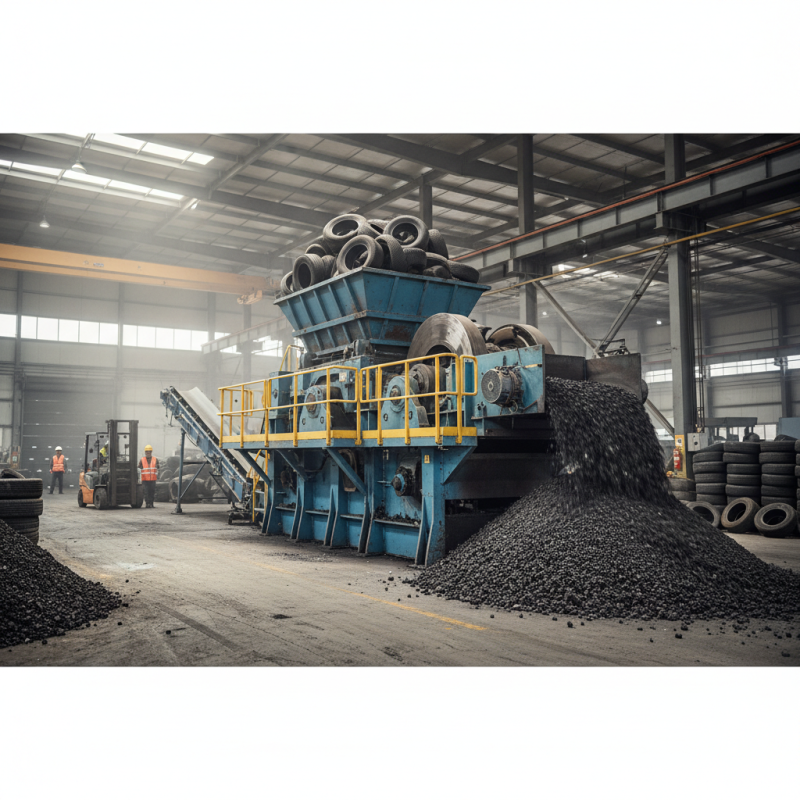
When selecting a tire crushing machine, understanding your specific needs is crucial for making the right choice. Assess the volume of tires you need to process and the desired output size of the crumbs or chips. Different machines offer varying capacities, and choosing one that aligns with your operational demands can significantly enhance efficiency and productivity. Additionally, consider the materials from which the tires are made, as certain machines may be better suited for handling specific tire types, whether they are passenger car tires, truck tires, or industrial tires.
Another essential factor to evaluate is the machine's technology and features. Look for machines equipped with advanced shredding technology that allows for precise control over the crushing process. Features such as adjustable screen sizes and various cutting systems can help tailor the output to meet your recycling goals. Also, consider the ease of maintenance and operational costs associated with running the machine over time. Understanding these aspects will enable you to select a tire crushing machine that not only satisfies your current needs but also adapts to future requirements, ensuring a sustainable approach to tire recycling.
Comparison of Tire Crushing Machine Features
Types of Tire Crushing Machines Available
When selecting a tire crushing machine, it’s essential to understand the various types available to determine which best suits your operational needs. Tire shredders are the most common type, designed to break down whole tires into smaller pieces. They operate using sharp blades that slice through the rubber, creating manageable sizes ideal for further processing. These machines can vary in capacity, ranging from smaller models for less demanding tasks to heavy-duty versions capable of handling large volumes.
Another type is tire granulators, which take the output from shredders and further reduce it into granular rubber. These machines utilize a more refined set of blades and can produce rubber particles of different sizes, which can be used in various applications, including material for playgrounds or asphalt. In addition to shredders and granulators, there are also tire embedders and crushers. Tire embedders specifically focus on separating the metal and fiber components from the rubber, making it easier to recycle the materials for different uses. Understanding these types will assist operators in choosing the right machine based on their specific processing requirements and production goals.
How to Choose the Best Tire Crushing Machine for Your Needs - Types of Tire Crushing Machines Available
| Type of Machine |
Throughput Capacity (tons/hour) |
Power Requirement (kW) |
Main Features |
| Single Shaft Shredder |
1-5 |
15-30 |
Versatile, programmable, low noise |
| Double Shaft Shredder |
5-10 |
30-75 |
High throughput, heavy-duty |
| Granulator |
2-8 |
22-45 |
Produces high-quality granules, efficient |
| Rubber Cracker Mill |
0.5-3 |
20-55 |
Ideal for rubber processing, adjustable gap |
| Tire Wire Puller |
1-4 |
10-25 |
Removes steel wires from tires effectively |
Key Features to Consider When Choosing
When selecting the best tire crushing machine, it's essential to consider several key features that will suit your specific needs. First, the machine's capacity is crucial; identify how many tires you intend to process daily. A higher capacity machine can save you time and increase efficiency, making it an ideal choice for larger operations. Additionally, assess the size and type of tires you will be crushing, as different machines are designed to handle various sizes and rubber compositions.
Another important factor is the machine's technology and performance. Look for features such as energy efficiency, ease of operation, and maintenance requirements. A well-designed machine should have high throughput rates and low operational costs, enabling you to maximize productivity while minimizing downtime. Moreover, consider the safety features included in the design, as this can protect operators and reduce the risk of accidents during the crushing process. By focusing on these features, you can make an informed decision that aligns with your tire recycling ambitions.
Assessing Your Budget and Cost Factors
When selecting a tire crushing machine, one of the most critical aspects to consider is your budget and the associated cost factors. According to the Global Tire Recycling Market Report, the demand for tire recycling machines is projected to grow significantly, reaching a market size of approximately $9 billion by 2027. This growth reflects the increasing awareness of sustainable practices and the rising costs of raw materials. Therefore, understanding your financial capacity will help you invest wisely in the right tire crushing equipment.
Additionally, consider the total cost of ownership (TCO) when evaluating different tire crushing machines. TCO encompasses not just the initial purchase price but also operational expenses such as maintenance, energy consumption, and potential labor costs. Reports from industry analysts suggest that high-quality machines with advanced technology might have a higher upfront cost, but they often yield lower maintenance expenses and greater efficiency over their lifespan. Prioritizing machines with robust warranties and proven longevity can lead to long-term savings, making them a more prudent financial choice despite initial price differences. By carefully analyzing these cost factors, you can ensure that your investment aligns with your operational goals and financial strategy.
Evaluating Manufacturer Reputation and Support
When selecting a tire crushing machine, evaluating the manufacturer’s reputation and the support they offer is crucial. A reputable manufacturer typically has a solid track record of producing high-quality machines and providing reliable service. Potential buyers should look for reviews and testimonials from previous customers, as these can give insight into product durability and performance. Additionally, researching industry awards or certifications can further indicate a manufacturer’s commitment to excellence and innovation.
Support from the manufacturer is equally important in ensuring long-term satisfaction. Buyers should consider the availability of customer service, access to replacement parts, and the type of maintenance support provided. A manufacturer that offers comprehensive training programs and accessible technical support can significantly enhance the operational efficiency of the tire crushing machine. Assessing these factors not only helps in choosing the right equipment but also ensures that there’s ongoing assistance available to address any operational challenges that may arise.